
How it usually shows up
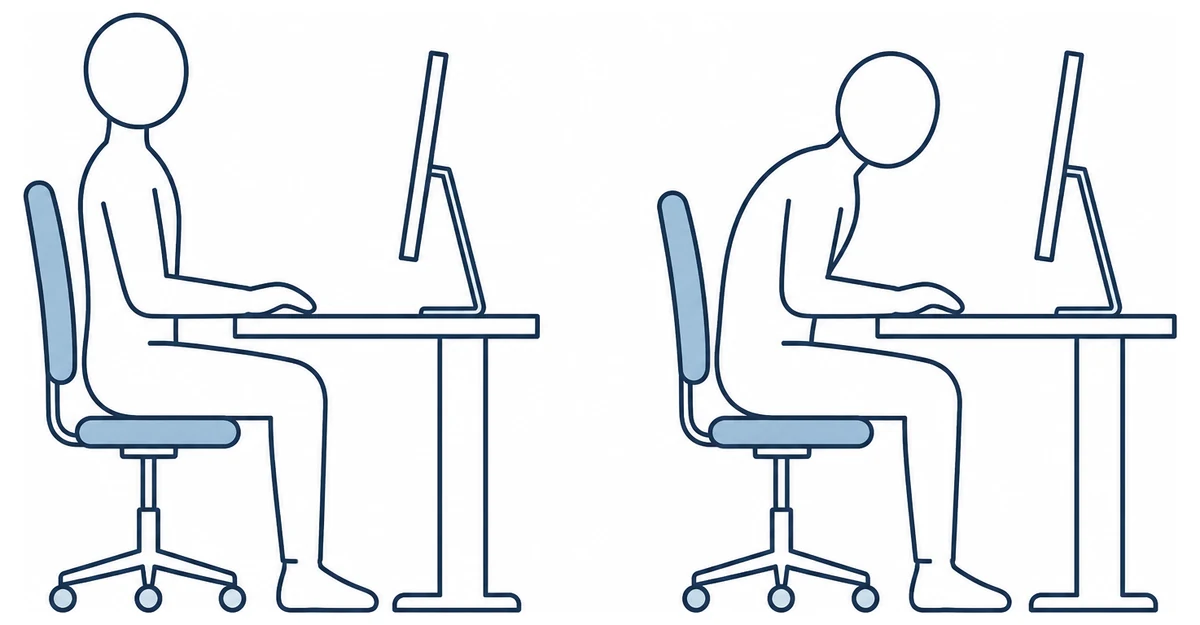
- A head that sits forward of the shoulders in photos
- One shoulder or hip visibly higher than the other
- Rounding through the upper back that returns the moment you relax
- Fatigue from sitting that you did not have a few years ago
What Dr. Chris actually does about it
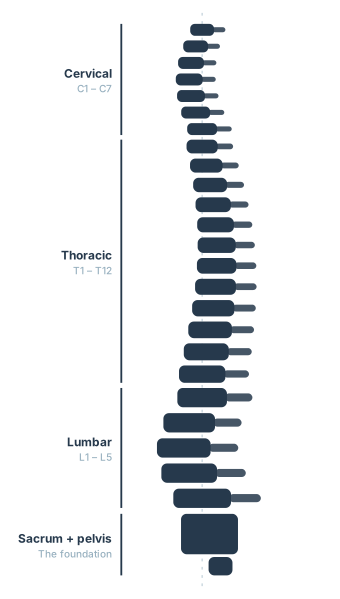
Dr. Chris assesses global posture as part of the neuro-structural exam, then measures it on full-spine standing films rather than judging it by eye. Standing films matter because they show what your spine does under your own body weight. Structure dictates function, and a building is only as strong as its foundation, so correction works from the pelvis up rather than at the place that looks worst.
When someone comes in with rounded shoulders or a forward-leaning head, Dr. Chris looks at the posture as a sign that something in the spine has shifted position and stayed there. The same five-part Gonstead analysis run at every visit, visualization, dual-probe nervoscope instrumentation, static and motion palpation, and full-spine standing X-ray, is used to find exactly which segments have moved and which direction they moved in. Only those segments get adjusted. Two people with similar-looking posture can have completely different structural shifts underneath it, which is why the analysis always comes before any adjustment.
Because posture patterns build up over years of movement habits, correcting the structure is only part of the picture. Dr. Chris will typically point out specific movement or positioning habits tied to what the exam and X-ray show, to support those segments between visits. Progress gets rechecked at follow-up visits using the same five-part analysis, since a spine can look straighter while standing without the underlying structure actually being in a corrected position.
Questions people ask
- Can a chiropractor actually fix poor posture?
- A chiropractor cannot promise to fix posture, and no one can guarantee that outcome. What a chiropractor at Adapt Life can do is find where the spine has shifted out of its normal position and adjust those specific segments, then give you exercises to help retrain the muscles holding you upright. Posture is also a habit built over years of how you sit, stand, and move, so lasting change depends on what you do between visits, not just what happens on the table.
- How long does it take to see a change in posture with chiropractic care?
- There is no set timeline, and it depends on how long the posture pattern has been developing and how consistent you are with any home exercises. A chiropractor cannot give you an exact number of visits before starting, only after seeing how your spine actually responds to care. Be cautious of anyone who promises a fixed timeline on the first visit, since posture that took years to develop usually does not reverse in a handful of sessions.
- Should I see a chiropractor or a physical therapist for posture problems?
- Both can help, and they often work well together rather than acting as competing options. A chiropractor focuses on finding and correcting misalignment in the spine itself, while a physical therapist focuses on building strength and movement patterns in the muscles that support it. Some people benefit from working with both, since correcting the joint and strengthening the muscles around it tend to reinforce each other.
- Do posture correctors and back braces actually work?
- A posture brace can remind your shoulders where to sit while you have it on, and that reminder has some value. It does not correct a structural shift in the spine, and wearing one all day can actually weaken the muscles you are trying to train, since the brace is doing the holding instead of your body. It works best as a short daily reminder used alongside real correction and movement work rather than instead of it.
- What actually causes poor posture, is it just from sitting wrong?
- Long stretches sitting hunched over a phone or laptop are a common contributor, but they are rarely the only cause. Old injuries, muscle imbalances, how the spine developed, and even footwear can all affect where the head, shoulders, and hips end up sitting relative to each other. The five-part Gonstead analysis run at Adapt Life looks at the whole spine to find where a shift is actually happening, rather than assuming it is only screen time.
- Can poor posture cause pain somewhere other than my neck and back?
- It's possible. Because the spine houses the nervous system, a structural shift in one area does not always stay contained to that area, so headaches, jaw tension, or even hip and shoulder discomfort can sometimes trace back to a postural pattern elsewhere in the spine. That said, poor posture is not the explanation for every ache in the body, and it should not be assumed to be the cause without an actual exam.
- When is posture-related pain something to get checked by a doctor instead of a chiropractor?
- Seek medical care right away, at an ER if needed, for sudden loss of bladder or bowel control, numbness or weakness spreading down an arm or leg, fever along with spine pain, or pain that started after a significant fall, car accident, or other trauma. Unexplained weight loss alongside ongoing back or neck pain is also worth getting checked by a physician. These signs point to something beyond a structural posture issue and need medical evaluation before any chiropractic adjustment.