
Why the trades end up here
Framing, roofing, HVAC, plumbing, landscaping, electrical, and warehouse work all load the spine differently, but almost none of it loads evenly. You lift from one side more than the other, spend hours overhead then hours bent into a trench, kneel on concrete, climb, or carry a tool belt that pulls one hip lower than the other for a full shift.
That kind of repeated, uneven load over months or years tends to create specific patterns in the spine and pelvis, rather than general soreness. Those are the patterns the exam is built to find, which is why the first visit looks past where it hurts today and checks how your whole structure is actually handling the work.
What tradespeople call about
- Lower back pain that started after a lifting injury on the job
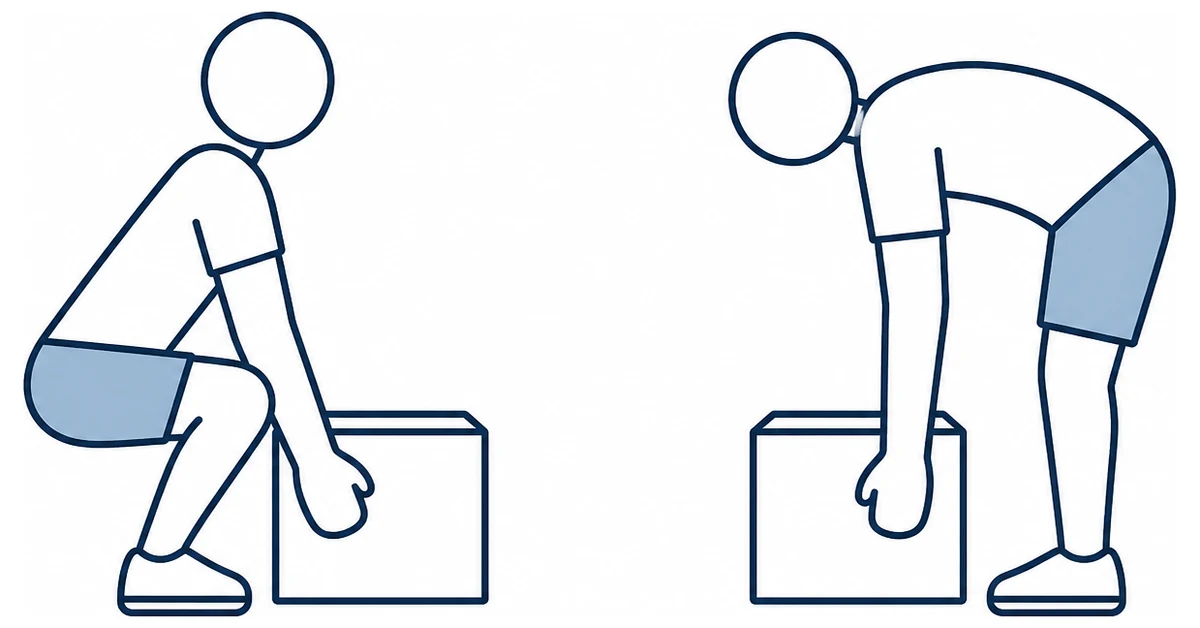
- A sharp pinch or catch when bending, twisting, or picking something up
- Pain that gets worse the longer you are on your feet on concrete
- Numbness or tingling running down a leg after a long shift
- A shoulder or neck that will not move right after overhead work
- Stiffness every morning that loosens up once the day gets going
What the first two visits look like
Dr. Chris practices Neuro-Structural Correction using the Gonstead method, a system built around finding the specific area of the spine that is under stress. The first visit includes X-rays, taken at a nearby imaging center the same day when needed, so the exam is based on what your spine is actually doing under load. Films are also how anything that needs more than chiropractic care gets flagged early, before it turns into weeks of guessing. Often, Dr. Chris adjusts on that same first visit.
The second visit is the report of findings. That is when he walks through the X-rays and the exam with you and explains, in plain terms, what he found and what a plan could look like. The exam often starts at the pelvis, since it tends to be the foundation the rest of the spine is compensating around. After that, ongoing visits typically run ten to fifteen minutes and are scheduled by appointment, built around a job site or a shift instead of the other way around. The goal is a spine that can handle the actual demands of the job, day after day.
Questions people ask
- Can I keep working while this gets checked out?
- Often, yes. Visits after the first one typically run ten to fifteen minutes and are scheduled around a work day, not a waiting room. If the exam shows your back needs a break from certain movements or loads, Dr. Chris will tell you specifically what to avoid instead of telling you to stop working altogether.
- Will I be too sore to work my next shift?
- Some people feel mild soreness after a first visit, similar to how a hard workout feels the next day. It is not common to need a day off because of it, but tell Dr. Chris your shift schedule so he can plan around it, especially before a physically demanding day.
- Do you take my insurance or workers comp?
- No. Adapt Life is a direct pay office and is not in network with any insurance company, including workers comp plans, so there is no waiting on approval or preauthorization. HSA and FSA cards are accepted, and pricing is given by phone. New patients get $50 off the first visit.
- Do I need an X-ray before you can adjust me, and what if it turns out to be something like a herniated disc?
- X-rays are ordered on the first visit and referred out to a nearby imaging center, specifically so anything like that gets checked before an adjustment happens. In many cases, the adjustment still happens that same first visit, based on the exam. If the films show something that needs more than chiropractic care, that gets flagged early, and you will be pointed toward the right kind of care, with the full findings walked through at the second visit.